Living in Downtown Huntsville: Is It the Right Fit?
February 5, 2026
February 5, 2026
Thinking about making Downtown Huntsville home? If you picture morning walks around Big Spring Park, impromptu dinners by Market Square, and short commutes to major employers, you’re on the right track. You also want clear answers on housing options, daily life, and what to expect with parking, schools, and costs. This guide gives you an honest, practical look at life in the city’s core so you can decide if it fits your goals. Let’s dive in.
Downtown Huntsville centers on Big Spring Park and the courthouse and Market Square area. It is compact, easy to walk, and home to cultural institutions, restaurants, small shops, and civic buildings. You can cross much of the district in about 10 to 20 minutes on foot.
The “Rocket City” identity is part of daily life. The metro’s growth draws aerospace, defense, and tech professionals, and that momentum supports new residential buildings and year-round activity. You will see students, young professionals, medical staff, and Redstone Arsenal and Cummings Research Park commuters all sharing the same sidewalks.
If you love character homes and tree-lined streets, look near the Twickenham Historic District and other older blocks close to downtown. You will find antebellum and early-20th-century architecture with timeless curb appeal. Buyers often weigh renovation needs and maintenance for these homes, so plan for due diligence and vendor support during inspections.
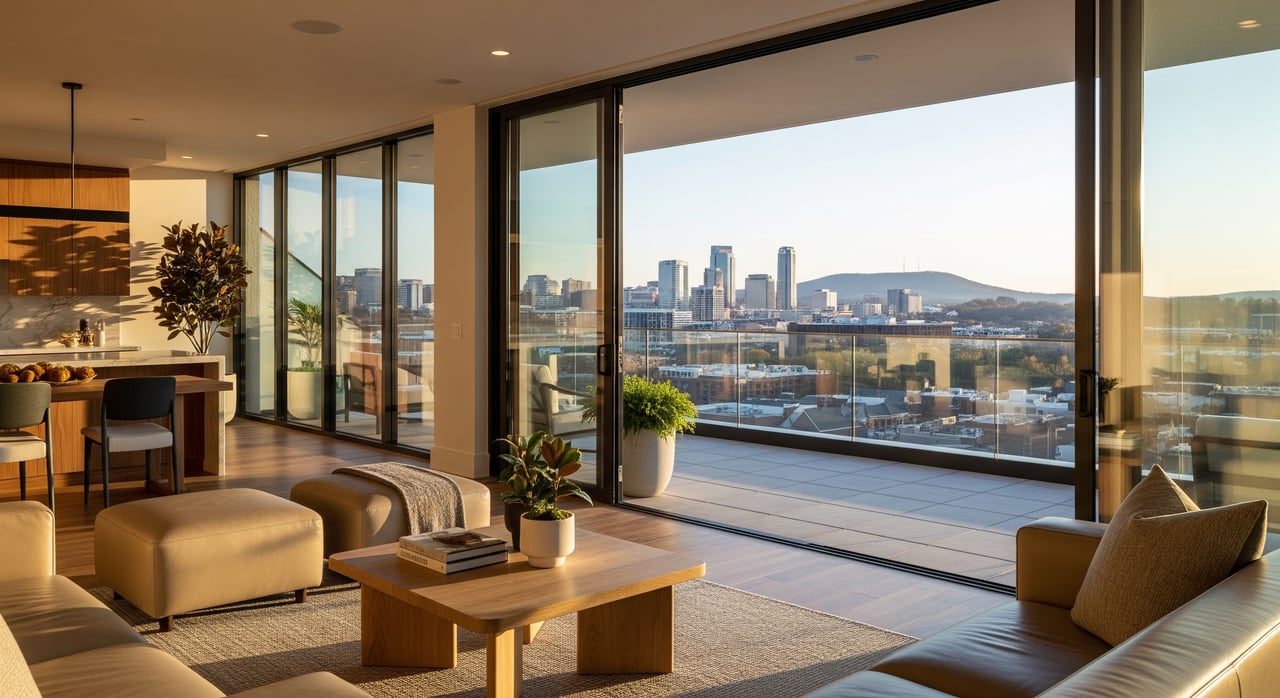
Converted buildings and newer infill bring you condos, townhomes, and lofts near Market Square and Big Spring Park. These options fit if you want lower maintenance and a true downtown lifestyle. Review HOA rules and fees, storage, and assigned parking arrangements before you write an offer.
Over the past 5 to 10 years, mid-rise apartments and mixed-use projects have expanded choices for renters. Amenities and finishes vary by building. Pricing is tied to unit size, views, and amenities, and inventory can be tight for the most walkable locations.
If you want more space but quick access to downtown, look to neighborhoods a short drive away in Huntsville and the broader metro, including nearby areas of Madison. You can find newer single-family homes and larger lots while keeping your commute and cultural access manageable.
Buyer and renter considerations:
Downtown’s food scene blends Southern comfort, barbecue, seafood, and growing international flavors. You will find casual cafés, gastropubs, and locally owned restaurants clustered around the courthouse square and the park. Craft breweries and taprooms add to the mix, and weekends feel lively with late-night options and events.
Big Spring Park anchors the district with water features, walking paths, and frequent public gatherings. The Huntsville Botanical Garden, a major regional attraction, is a short drive and hosts seasonal programs and light displays. Greenways and trails around the city continue to expand, giving walkers, runners, and cyclists more options for recreation and, in some cases, short active commutes.
Cultural life is a year-round draw. The Huntsville Museum of Art sits by the park, and the Von Braun Center brings touring performances, conventions, and community events. Seasonal festivals and farmers markets pop up in and around downtown. Sports fans can reach minor-league and collegiate venues in a short drive, and outdoor recreation areas for hiking and paddling are close enough for weekend trips.
Many downtown residents work at Redstone Arsenal, NASA’s Marshall Space Flight Center, and Cummings Research Park. Others are employed by the Huntsville Hospital system, universities, and professional services in the core. This mix keeps weekday rhythms steady and supports evening foot traffic.
Across the metro, many commutes are under 30 minutes by car. From downtown, trips to Redstone Arsenal or Cummings Research Park are often in the 10 to 20 minute range, depending on your exact address and time of day. Your timing and route choices make a noticeable difference.
Downtown is the most walkable part of the metro. You can handle dining, museums, parks, and many errands on foot. Bus service exists in Huntsville and Madison County, but it is not as extensive as in larger cities, so most residents still rely on cars for commutes and bigger shopping trips. Bike lanes and shared paths are growing, and short bike commutes can be feasible in the core.
Expect a mix of municipal garages, surface lots, and metered street parking downtown. Many condos and apartments offer assigned or paid spaces. Street rules and event-day adjustments can affect convenience, so it helps to learn your garage and street options early.
Downtown addresses are served by Huntsville City Schools. Parts of the broader metro, including areas of Madison, are served by Madison City Schools. Zoning is highly local, so it is important to confirm the exact school assignment for any specific property. Families can find daycare options, parks, and youth programs nearby, with larger facilities a short drive away.
Huntsville is a regional medical hub with the Huntsville Hospital system and specialty clinics within easy reach of downtown. Pharmacies, professional services, and smaller markets sit in and around the core, while larger grocery and big-box shopping are a short drive.
The cost of living is historically competitive compared to many coastal metros. Housing is the biggest variable. Walkable downtown condos and historic homes can command premiums for location and character. Alabama income and property tax structures apply. For detailed guidance on taxes and current housing costs, plan to review up-to-date state and local resources and current market reports during your search.
Downtown suits you if you value walkability, cultural access, and a shorter commute to major employment centers. The compact district makes it easy to live car-light for entertainment and dining, even if you still drive for work or groceries. If you prefer newer single-family homes, larger yards, or different school options, nearby Huntsville neighborhoods and Madison offer strong alternatives with easy access to the core.
Consider downtown if you want:
Consider nearby neighborhoods if you want:
When you weigh next steps, keep in mind that crime patterns vary block by block in urban areas. Review local crime maps for current information. Also be ready to compare parking plans across buildings and double-check event schedules if you plan to live near the busiest blocks.
Ready to explore properties that match your lifestyle and commute goals? Reach out to Marsha Buxton for a calm, end-to-end process that aligns housing options, inspections, vendors, and timing with your move.
Stay up to date on the latest real estate trends.
Get assistance in determining current property value, crafting a competitive offer, writing and negotiating a contract, and much more. Contact us today.